Featured
The 8-Second Trick For Widespread Misunderstandings Regar...
The 8-Minute Rule for Post-Forgiveness Programs and After...


The Actual Expense of Disregarding Financial Debt: Just How Professional Counseling Services Are Changing Financial Recovery
Table of Contents
Financial tension has ended up being a specifying quality of contemporary American life. With complete charge card financial debt exceeding $1.21 trillion and the ordinary cardholder owing more than $6,500, numerous people find themselves caught in cycles of minimal settlements and compounding rate of interest. When debt card passion rates hover around 23%, even moderate balances can balloon into frustrating concerns within months.
For those sinking in debt, the concern isn't whether to seek help-- it's locating the right sort of aid that will not make matters worse.
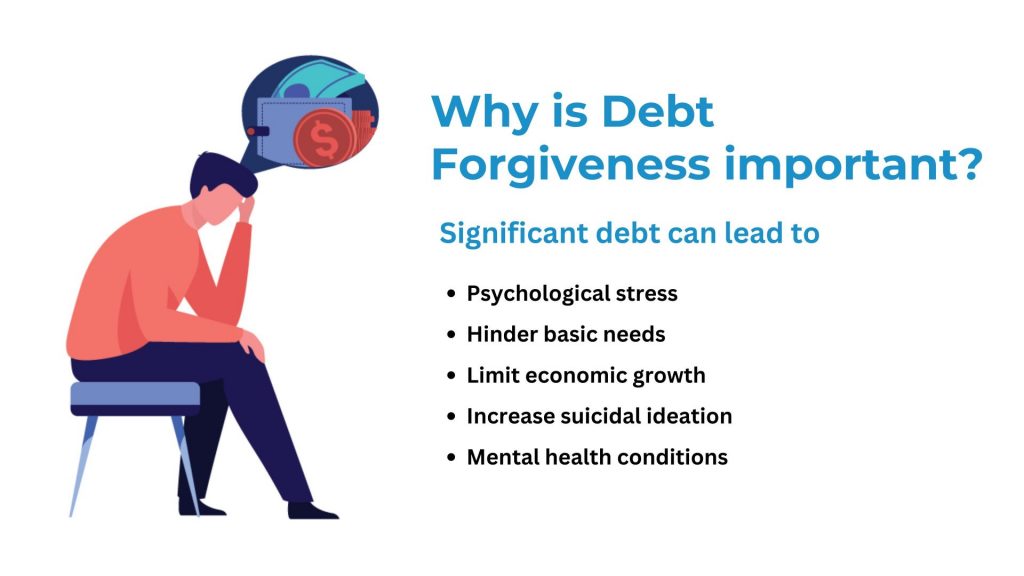
The Growing Need for Debt Mercy Solutions
Financial debt forgiveness has actually emerged as among one of the most looked monetary topics on-line, and forever reason. The principle of working out debts for less than the sum total owed deals genuine want to individuals that see no sensible course to paying their equilibriums completely.
The procedure commonly functions similar to this: when charge card accounts go overdue for 120 days or more, lenders frequently charge off the debt. At this stage, they may accept minimized settlements to recoup a minimum of a portion of what's owed. Effective settlements can reduce balances by 30% to 50%, depending on the financial institution and your demonstrated financial challenge.
Financial debt forgiveness isn't cost-free cash. Cleared up accounts appear on credit scores records as "" paid less than full balance,"" which influences your rating. Additionally, forgiven amounts surpassing $600 might be reported to the IRS as gross income. Recognizing these trade-offs before pursuing negotiation is important.
Personal bankruptcy Therapy: The Misunderstood Safeguard
Personal bankruptcy carries substantial preconception, yet it remains a reputable lawful tool developed to offer overwhelmed individuals a genuine new beginning. What lots of people do not become aware is that federal law requires 2 therapy sessions before and after filing-- and these sessions exist particularly to guarantee you're making an educated decision.
Pre-bankruptcy credit score counseling entails a thorough testimonial of your revenue, financial debts, and costs. Qualified counselors present choices you might not have thought about, consisting of debt administration programs or difficulty negotiations. This isn't concerning inhibiting insolvency; it's about confirming it's really your finest choice.
Post-bankruptcy borrower education and learning prepares you for monetary success after discharge. You'll learn budgeting techniques, conserving approaches, and credit score rebuilding comes close to made to stop future monetary difficulties.
Organisations like APFSC offer both required courses, with fees around $19.99 per session unless you get approved for challenge waivers. Their certified therapists give same-day certificates, and sessions commonly run 60 to 90 mins. This accessibility matters when you're currently stressed about finances.
Comparing Your Financial Obligation Alleviation Options
Recognizing the landscape of financial debt relief helps you make notified decisions. Each method brings distinct benefits and drawbacks.
Financial Obligation Administration Programs combine multiple unprotected financial obligations right into single regular monthly payments. Therapists bargain with financial institutions to possibly reduce passion rates without calling for new car loans. Most clients full these programs within 3 to 5 years. The primary advantage is paying debts completely while reducing overall interest paid.
Financial debt Settlement discusses lowered reward quantities, usually 30% to 50% much less than owed. This strategy needs quiting repayments to financial institutions while collecting negotiation funds, which damages credit history throughout the process. Results differ based on creditor determination and your demonstrated hardship.
Bankruptcy offers court defense while eliminating or restructuring financial obligations. Chapter 7 sells off certain assets to release unprotected debts quickly. Chapter 13 develops three-to-five-year settlement plans for those with regular revenue. Insolvency stays on debt reports for 7 to ten years yet supplies the most extensive fresh beginning.
Credit Therapy gives education and guidance without necessarily enrolling in official programs. Certified counselors evaluate your full financial photo and recommend proper next steps, which may include any one of the above alternatives.
What Sets Nonprofit Counseling Apart
The difference in between not-for-profit and for-profit financial obligation alleviation business matters immensely. Not-for-profit firms like those accredited by the National Foundation for Credit Therapy (NFCC) run under stringent honest guidelines and charge laws. Their therapists undergo extensive qualification and has to recertify every two years.
For-profit debt negotiation companies, alternatively, might charge fees ranging from 15% to 25% of enrolled debt equilibriums. Some use aggressive sales methods and make impractical promises concerning outcomes. The Consumer Financial Protection Bureau has actually recorded many grievances regarding predative practices in this sector.
APFSC runs as a nonprofit counseling agency, using free financial debt monitoring consultations and controlled fees for continuous solutions. Their HUD-approved real estate counselors add worth for those facing repossession together with basic financial debt concerns. Providers are offered in English, Spanish, and Portuguese, broadening access to underserved communities.
Study sustains the effectiveness of nonprofit counseling. A study commissioned by the NFCC found that debt therapy clients minimized rotating financial obligation by $3,600 greater than contrast teams during the 18 months following their sessions. Nearly 70% of participants reported better finance and greater economic confidence.
Caution Indications of Predatory Financial Obligation Relief Services
Not all financial debt alleviation business have your benefits at heart. Acknowledging warnings protects you from making a hard scenario worse.
Be mindful of business that ensure certain results. No reputable solution can promise exact settlement percentages or timeline guarantees because end results rely on specific creditors and conditions.
Avoid any company requiring big ahead of time costs prior to offering solutions. Genuine not-for-profit therapy uses free preliminary examinations, and for-profit settlement companies are lawfully forbidden from collecting fees until they successfully work out at the very least one financial obligation.
Question any individual encouraging you to quit connecting with lenders completely without clarifying the repercussions. While tactical interaction stops often support arrangements, complete avoidance can lead to suits, wage garnishment, and extra damage.
Reputable companies describe all choices honestly, including options that could not involve their paid solutions. If a firm presses only one solution no matter your scenario, look for assistance in other places.
Taking the Initial Step Towards Recovery
Financial recuperation begins with straightforward evaluation. Collect your newest statements for all financial obligations, calculate your complete obligations, and assess your sensible regular monthly payment ability. This info develops the structure for any effective counseling session.
Think about scheduling totally free consultations with multiple nonprofit companies prior to committing to any kind of program. Contrast their recommendations, fee structures, and interaction styles. The best therapy partnership need to feel helpful as opposed to pressuring.
Organisations like APFSC offer on-line chat, phone examinations, and extensive consumption processes designed to comprehend your distinct scenario prior to suggesting services. Their financial debt monitoring calculator helps you think of potential timelines and cost savings before signing up.
The Path Onward
Overwhelming financial debt doesn't define your future-- but ignoring it will. Whether debt mercy, insolvency counseling, or structured financial obligation management makes sense for your situation depends on factors special to your circumstances.
Expert assistance from licensed not-for-profit counselors brightens choices you might never find individually. These solutions exist specifically to help individuals like you browse complex monetary obstacles without predatory charges or impractical assurances.
The ordinary American battling with financial debt waits far as well long before looking for help, allowing rate of interest to substance and alternatives to narrow. Monthly of delay prices money and extends your healing timeline.
How to Protect Yourself From Financial Scams When in DebtYour very first discussion with a qualified therapist prices absolutely nothing yet might alter whatever. Financial flexibility isn't booked for the fortunate-- it's available to any individual ready to take that initial action toward understanding their alternatives and dedicating to a realistic strategy.

Table of Contents
Latest Posts
See This Report on Building Your Path to Relief

The 8-Second Trick For Widespread Misunderstandings Regarding Debt Forgiveness

The 8-Minute Rule for Post-Forgiveness Programs and Aftercare Programs
More
Latest Posts
See This Report on Building Your Path to Relief
The 8-Second Trick For Widespread Misunderstandings Regarding Debt Forgiveness
The 8-Minute Rule for Post-Forgiveness Programs and Aftercare Programs